
If your Shopify ads aren’t converting, the issue usually isn’t your product — it’s who sees it. Targeting the best Facebook audiences is still the single biggest driver of return on ad spend for every Shopify store in 2025.
But with the new updates, Meta’s algorithm starts to work differently. The “hyper-targeted” methods that were used to win are now holding many stores back.
This guide explains which Facebook audiences perform best for Shopify stores today, how big they should be based on real Meta and industry guidance, and how Easy Ads for Facebook automatically builds and maintains them for you.
Why Audience Targeting Still Matters in 2025
Many Shopify merchants struggle in 2025 to find the best Facebook audiences with all the new updates and changes. The good news is that Meta’s automation has changed targeting, not replaced it.
The system now learns from signals you feed it—product data, events, and conversions—to find buyers automatically. That’s why connecting your Facebook ad account to your Pixel or dataset is a critical step: it ensures Meta can receive the events from your store and use them to find the right audience for your products.
That means the structure of your audiences still matters. You’re giving the algorithm its starting point. The clearer your setup, the faster it learns and the cheaper your conversions.
Easy Ads for Facebook was designed around that principle: you define your goal, connect your store, and it builds structured campaigns that give Meta the best possible learning signals.
Stop Fighting the Algorithm
Easy Ads gives Meta what it needs to optimize and scale your campaigns profitably.
Try Easy Ads FreeThe Three Audience Types That Matter Most
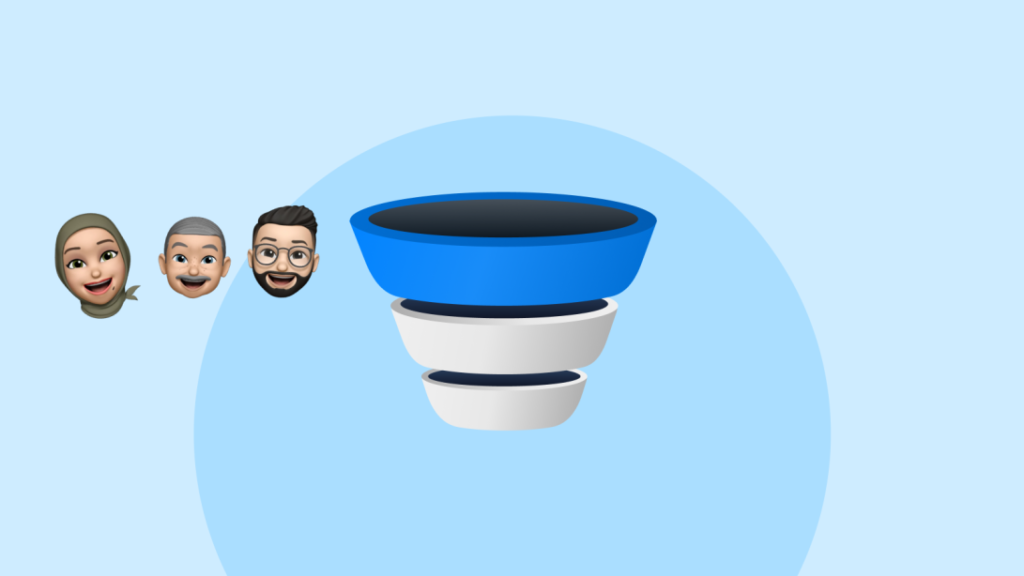
Every strong Facebook campaign covers three stages of the funnel:
- Cold audiences – new prospects who haven’t heard of you.
- Warm audiences – visitors and engagers who haven’t purchased.
- Hot audiences – existing customers ready to buy again.
Each stage needs a slightly different audience size and message.
1. Cold Audiences (Prospecting)
The cold audiences introduce your products to new people.
According to Meta and leading practitioners, broad audiences now outperform narrow interest stacks because Facebook’s AI optimizes faster with more data. In 2025, you can find the best Facebook audiences for your Shopify store by targeting broad audiences and allowing Meta to work for you.
Best size range: about 1–5 million people. Larger (up to 10 million+) can work well for stores with strong pixel data.
Examples of cold audiences:
- Interest-based: “Online shopping,” “Shopify,” “E-commerce,” or niche-specific categories like “Home fitness,” “Vegan skincare,” “Pet lovers,” or “Handmade jewelry.”
- Lookalike audiences:
- 1% lookalike of purchasers
- 1% lookalike of top 25 % website visitors (by time on site)
- 1% lookalike of “Add to Cart” users
When your store is new, start with one or two focused interests. As conversions build, expand to broad or Advantage+ audiences.
Easy Ads for Facebook handles this automatically by using your product and event data to generate prospecting audiences sized within Meta’s optimal range.
2. Warm Audiences (Retargeting)
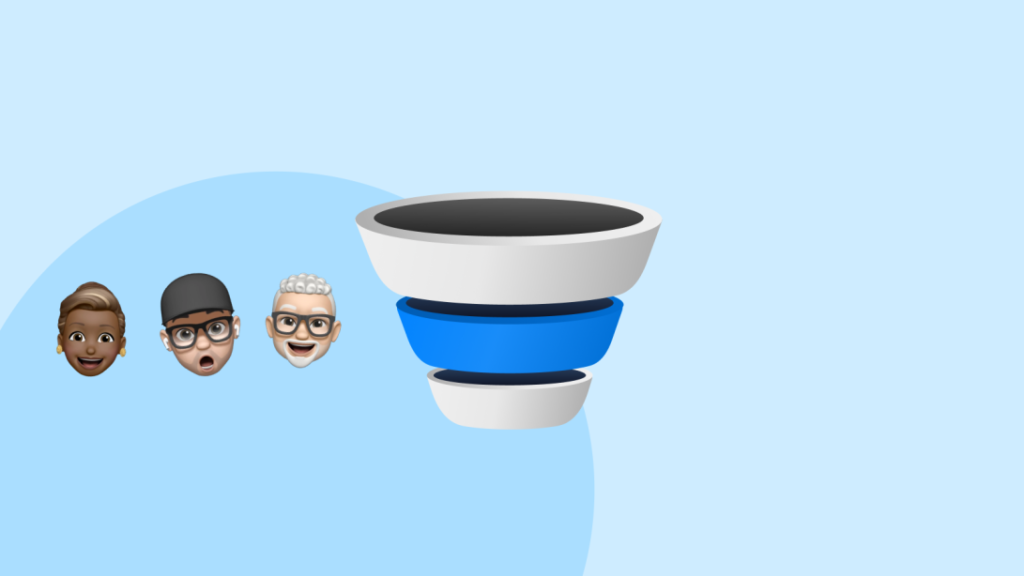
The warm audiences include people who’ve interacted but haven’t yet purchased.
These are your most profitable segments because they already know you.
Typical size range: 10k to 500k people, depending on store traffic.
Best warm-audience sources:
- Website visitors in the last 30 days
- Product viewers with no add-to-cart event
- Cart abandoners
- Facebook or Instagram engagers
Your creative should rebuild trust and add urgency. Examples:
“Still thinking it over? Your favorites are almost gone.”
“Over 10 000 happy customers — join them today.”
Easy Ads for Facebook updates these warm audiences automatically from your Shopify events, so your retargeting pools stay fresh.
3. Hot Audiences (Existing Customers)
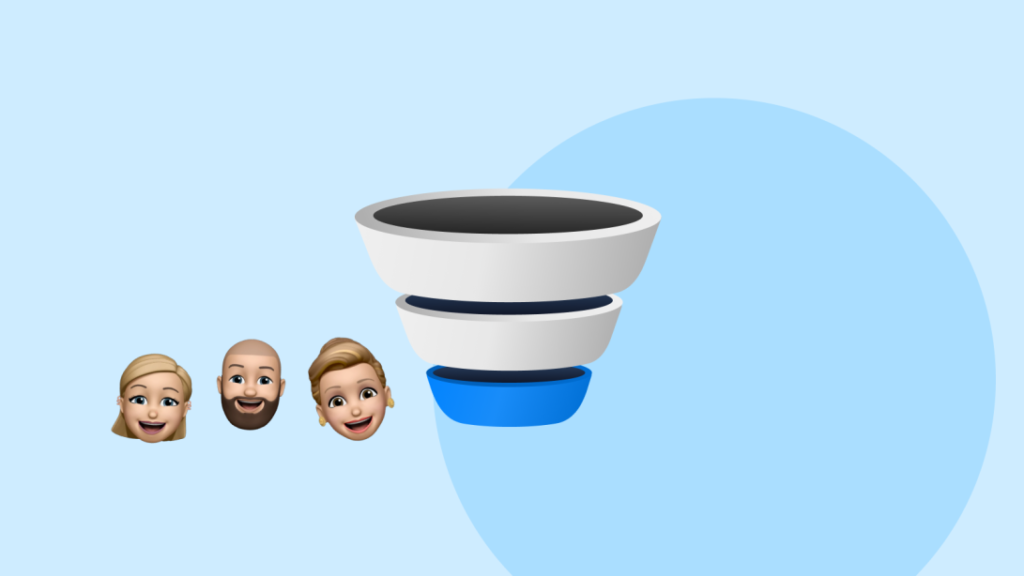
The hot audiences are for upsells, cross-sells, and loyalty.
Typical size range: up to 100k, often much smaller for niche stores.
Examples:
- Customers who purchased in the last 180 days
- High-value buyers with multiple orders
- Lookalike of your repeat customers
Messaging should focus on exclusivity or next-step offers:
“Complete your set with 20 % off today.”
“Because you loved [Product A], you’ll love [Product B].”
Easy Ads automatically builds and maintains these buyer segments inside Shopify, so you can launch retention ads without manual setup.
How to Structure Audiences for Better Learning
The structure is simple but powerful: one campaign per funnel stage.
- Campaign 1: Prospecting (cold audiences)
- Campaign 2: Retargeting (warm audiences)
- Campaign 3: Loyalty (hot audiences)
This setup keeps Meta’s system clear on each campaign’s goal and prevents overlap between stages.
Easy Ads for Facebook follows this same structure automatically, letting Meta’s algorithm optimize across funnel stages without conflict.
No More Audience Guesswork
Easy Ads creates optimally-sized audiences for each funnel stage using your Shopify data.
Try Easy Ads Free TodayThe Role of Advantage+ Audiences

Meta’s Advantage+ audience system has become the default recommendation for most e-commerce advertisers. It allows Facebook to expand beyond your selected criteria and find additional people likely to buy.
When to use it:
- Once your pixel or API has enough conversions.
- When running dynamic product ads or large-catalog campaigns.
When to hold off:
- Brand-new stores with no data. Start with targeted interests first.
Easy Ads integrates directly with Advantage+ Shopping Campaigns. The app structures your catalog feed and optimization events correctly so Meta’s AI learns faster and wastes less budget.
Example Audience Stacks by Niche
Example 1: Skincare Brand
Cold: Interests “Skincare,” “Clean beauty,” “Self-care.” 1 % lookalike of purchasers.
Warm: Product viewers and social engagers in the past 30 days.
Hot: Repeat purchasers in the past 180 days and their lookalike.
Example 2: Fitness Brand
Cold: Interests “Home workouts,” “Gym gear,” “Fitness apparel.” 1 % lookalike of add-to-cart users.
Warm: Website visitors who viewed at least two pages or watched 25 % of a video ad.
Hot: Past customers and lookalikes of repeat buyers.
Example 3: Jewelry Brand
Cold: Interests “Fashion accessories,” “Gift shopping,” “Handmade jewelry.” 1 % lookalike of top 25 % visitors.
Warm: ViewContent but no purchase; Instagram profile engagers.
Hot: Customers from the last six months; lookalike of high-value customers.
Easy Ads detects these engagement patterns automatically and updates each segment so you don’t have to rebuild audiences manually.
What to Avoid in 2025
Meta’s AI rewards structure and stability. Avoid:
- Over-narrow targeting (stacking too many interests).
- Frequent edits that reset the learning phase.
- Combining cold and warm audiences in one campaign.
- Tiny cold audiences under a few hundred thousand — they starve the algorithm of learning data.
Give Meta space to learn. Your cost per purchase will drop once it has enough events.
How Easy Ads Handles Audiences Automatically

Manual audience management can take hours every week. Easy Ads for Facebook automates it end-to-end:
- Builds cold, warm, and hot audience segments using real Shopify data.
- Updates them daily so they never go stale.
- Prevents overlap between funnel stages.
- Matches each shopper to the product they’re most likely to buy.
You choose your daily budget and campaign goal, and the app handles delivery, optimization, and audience refresh automatically.
Stop Spending Hours on Audience Management
Easy Ads builds, updates, and optimizes your audiences daily and completely hands-free.
Try Easy Ads Free TodayFinal Thoughts
In 2025, finding the best Facebook audiences for your Shopify store is less about discovering secret interests and more about building a clean structure that lets AI do its job.
If you feed Meta enough data and keep your setup consistent, performance improves naturally.
Easy Ads for Facebook gives you that structure out of the box. It connects your Shopify catalog, builds every audience type, and optimizes across them automatically so you can focus on running your business instead of your ads. You can focus on optimizing your Shopify store’s conversion rate while Easy Ads handles your ads automatically.
FAQs
What size audience works best for cold targeting?
Around 1–5 million people. That gives Facebook enough data to optimize without restricting reach.
Should I still use interests?
Yes, but only one or two broad ones if your pixel is new. Once conversions build, switch to broad or Advantage+ targeting.
How big should my retargeting audience be?
Anywhere from 10k to 500k, depending on traffic and time window.
What about repeat customers?
Use smaller custom audiences (under 100k) for upsells and loyalty ads.
Does Easy Ads handle this automatically?
Yes. It builds, updates, and optimizes all audiences directly from your Shopify store.
Leave a Reply